Idaho Property Posting Guide: Regulations and Requirements
Find out how to post your property to be compliant with Idaho's regulations.
12/9/20252 min read
In an ideal world, property boundaries would be respected without question. No one should have to nail a sign to a post just to ensure their land isn't walked on. Unfortunately, implied boundaries are rarely enough to stop trespassers or ensure law enforcement can take action
To ensure your property rights are enforceable under Idaho law, you must meet specific posting standards. Below is a direct breakdown of Idaho Code § 18-7008 and what is required to legally post your land.
Cultivated vs. Uncultivated Land
Idaho law distinguishes between land types. This distinction determines whether signage is legally required for a criminal conviction.
Cultivated Land: If land is used for crops or irrigated pasture, the land itself serves as notice. Entering cultivated land without permission is a crime, regardless of whether signs are posted.
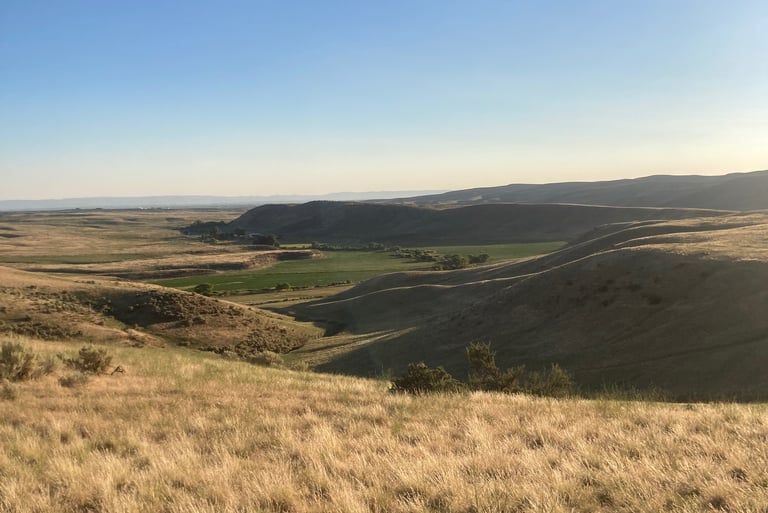
Uncultivated Land: For timber, sagebrush, grazing land, or open range, the law views the terrain as visually similar to public land. Without "conspicuous" posting (signs or orange paint), entering this land is generally not considered a crime until the trespasser is verbally asked to leave.
Adjoining Public Land
If your private property borders public land (Forest Service, BLM, or State), standard fencing is not sufficient notice.
Public grazing allotments often use fences that look identical to private boundary fences. Therefore, Idaho law requires that any fence line adjoining public land must be posted with "conspicuous" signs or orange paint at all corners and access points. Without this specific posting, a trespasser can legally argue they believed the fence was public infrastructure.
Visual Standard For Signs
Idaho does not mandate a specific font size or material for signs. Instead, it uses the legal standard of "Conspicuous."
Legibility: Idaho regulations do not impose a strict letter height, but instead require that all signs be 'conspicuous' and clearly legible to a reasonable person entering the property.
Wording: The sign must clearly state "No Trespassing" or similar prohibitory language.
Orange Paint Requirements (Not Purple)
Idaho is not a "Purple Paint" state. Fluorescent Orange is the only legally recognized color for marking boundaries. If you use paint instead of signs, you must meet these exact specifications:
Color: High-visibility fluorescent or bright orange.
Size: Marks must be at least 100 square inches.
Placement: If painting metal fence posts, the top 18 inches of the post must be painted.
While paint is the legal minimum, it is prone to fading and chipping. A legible sign is often preferable for enforcement because it removes ambiguity regarding the intent of the mark.
Legal Consequences of Trespassing
When land is posted according to these standards, entering without permission is a misdemeanor.
Fines: Penalties range from $500 to over $5,000 depending on damage.
License Revocation: If a trespasser is hunting, fishing, or trapping on properly posted private land, they face a mandatory one-year revocation of their license.
Summary
While we shouldn't need signs to demand respect for private property, they are the only way to ensure the law is on your side. If your land is uncultivated or borders public land, ensure your posting meets the strict definition of "conspicuous" under Idaho Code § 18-7008.
If you need compliant and reliable signage for your Idaho lands, check out BOUNDARYSIGN